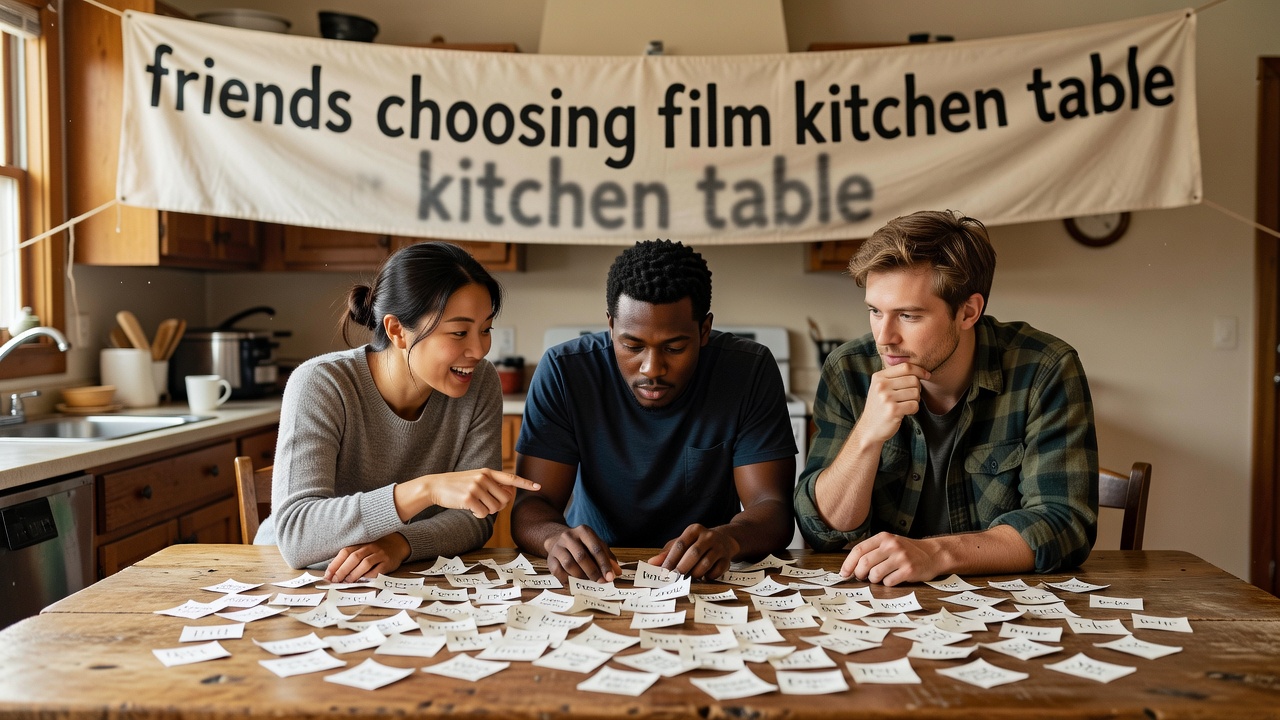
Choosing a film for a room full of people is a small act of care. You are guessing at moods, attention spans, tolerance for subtitles and whether Uncle Pete will fall asleep. Professional programmers do a version of this every week, and their habits translate wonderfully to the sofa.
Lessons from the repertory houses
Repertory cinemas specialise in older and overlooked films, and they live or die by curation. Film Forum in New York, a non-profit cinema operating since 1970, builds seasons around directors, actors and themes so that each screening gains meaning from its neighbours. BFI Southbank in London does the same with retrospectives and its long-running seasons that pair new restorations with talks. The lesson for home hosts is to think in small sets rather than single picks: three films around one idea are easier to choose than one film from everything ever made.
Archivists add another perspective. Henri Langlois was famous at the Cinémathèque française for placing very different films side by side, trusting audiences to find connections. Home curators can borrow that playfulness: a silent comedy followed by a modern film it inspired, or two adaptations of the same novel a few weeks apart.
The list-makers among us
We met a nurse in Leicester who keeps a paper notebook of every film she has watched since 1998, with a single line about who she watched it with. A teenager in Belfast who curates themed lists on Letterboxd, the social film diary founded in 2011 in Auckland, New Zealand, by Matthew Buchanan and Karl von Randow. And a couple in Brighton who keep a jar of folded suggestions and draw one every Friday, with a veto allowed once a month.
Each method serves a different need. The notebook is a memory. The online list is a conversation with strangers. The jar removes the agony of choice. All three keep the focus on people rather than algorithms.

Reading the room before you press play
Good curators ask questions first. How long is the evening? Who is coming, and what have they loved before? Is this a night for comfort or challenge? The Brighton couple keep a simple scale from "cosy" to "big conversation" and choose accordingly. Our Leicester nurse checks runtimes religiously; she says a perfect two-hour film can become a disaster at 10 pm on a work night.
Collections like the Criterion Collection, publishing since 1984, are loved partly because each release arrives with essays and context. You can offer the same gift informally: a two-minute introduction about why you picked the film, or one detail to watch for. It turns passive viewing into shared discovery.
Mixing familiar and new
A gentle rule from several hosts is "one comfort, one stretch." Alternate beloved favourites with something unfamiliar: a different decade, language or genre. Critics such as Pauline Kael and Roger Ebert wrote about films as experiences with people in them, not homework, and that attitude keeps a watchlist joyful. Agnès Varda's playful, generous films are a frequently recommended first step for friends wary of "art cinema."
Letting the list breathe
Finally, every curator we met agreed that lists should stay loose. Leave room for a friend's surprise suggestion, a film that just arrived at a local cinema or a rewatch everyone secretly wants. A watchlist is not a syllabus. It is a running conversation with the people you love watching with, and the best entries are the ones that come with a story about who suggested them.