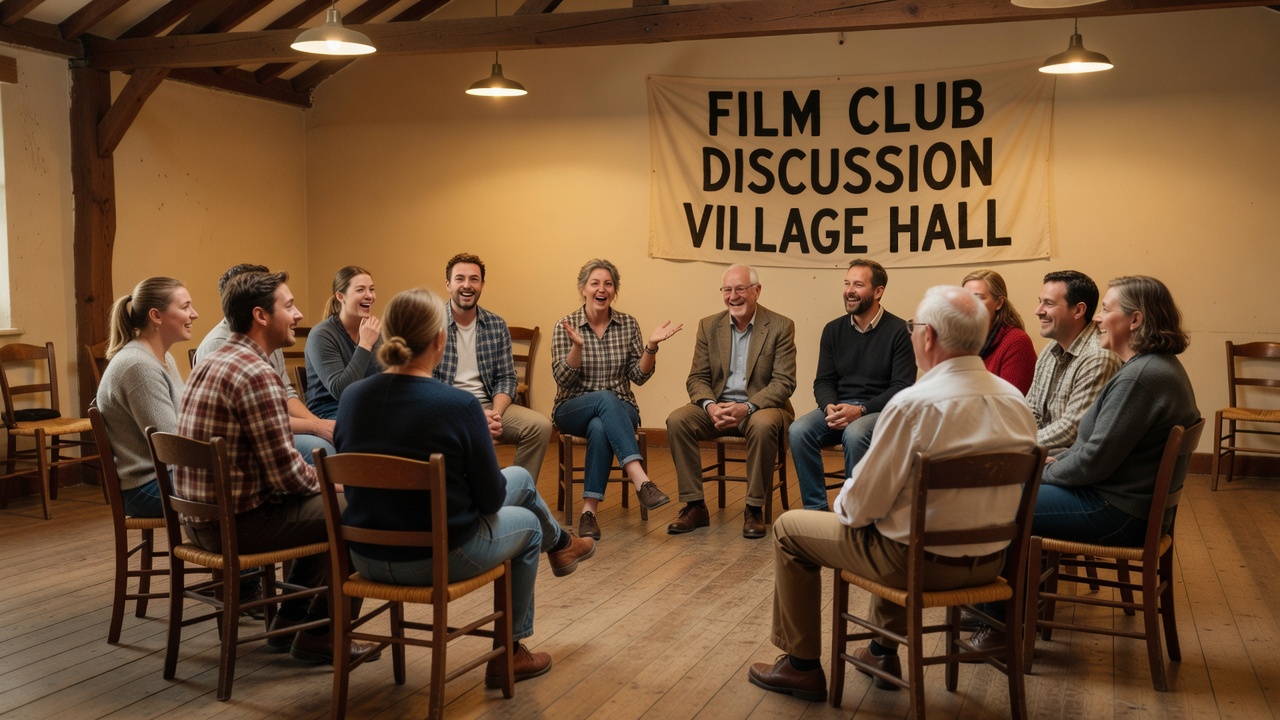
In 1925, a group that included writers, critics and filmmakers founded the London Film Society. Its purpose was simple and slightly rebellious: to show films that commercial cinemas would not, especially European and Soviet work, and to watch them with people who cared. Membership, rather than ticket sales, made it possible. That model spread through Britain and beyond, and the idea of the film society still underpins many community screenings today.
Around the same time in France, the ciné-club movement was flourishing, and in 1936 Henri Langlois and Georges Franju helped found the Cinémathèque française, part archive and part gathering place. Several directors of the French New Wave later credited those screenings and the conversations around them with shaping how they saw cinema.
The people who host today
Modern film clubs are gloriously varied. We met a librarian in Norwich who runs a monthly club in the library's meeting room, with tea in proper cups. A father in Cardiff who started a "first Saturday" club for families on his street after lockdown. A retired engineer in Dublin who hosts six friends for silent comedies, complete with a piano playlist. None of them call themselves programmers, yet all of them programme carefully.
What unites them is hospitality. The Norwich librarian told us that the film is the excuse, but the conversation is the point. Several of her regulars live alone, and the club is the one evening a month they reliably share with others.
How a small club gets started
Every host gave versions of the same advice. Choose a regular slot and stick to it; people build habits around reliability. Keep the first group small, around four to ten people, so everyone can speak. Pick a loose theme for a season, such as films set in one city, debut features or adaptations of novels, because themes make choosing easier and spark comparisons.
Leave time to talk. Even ten minutes after the credits changes the evening. Some hosts ask one open question to break the ice, such as "Which moment will you remember tomorrow?" Others rotate who introduces the film, which spreads the effort and brings in new voices.
The licensing question, gently
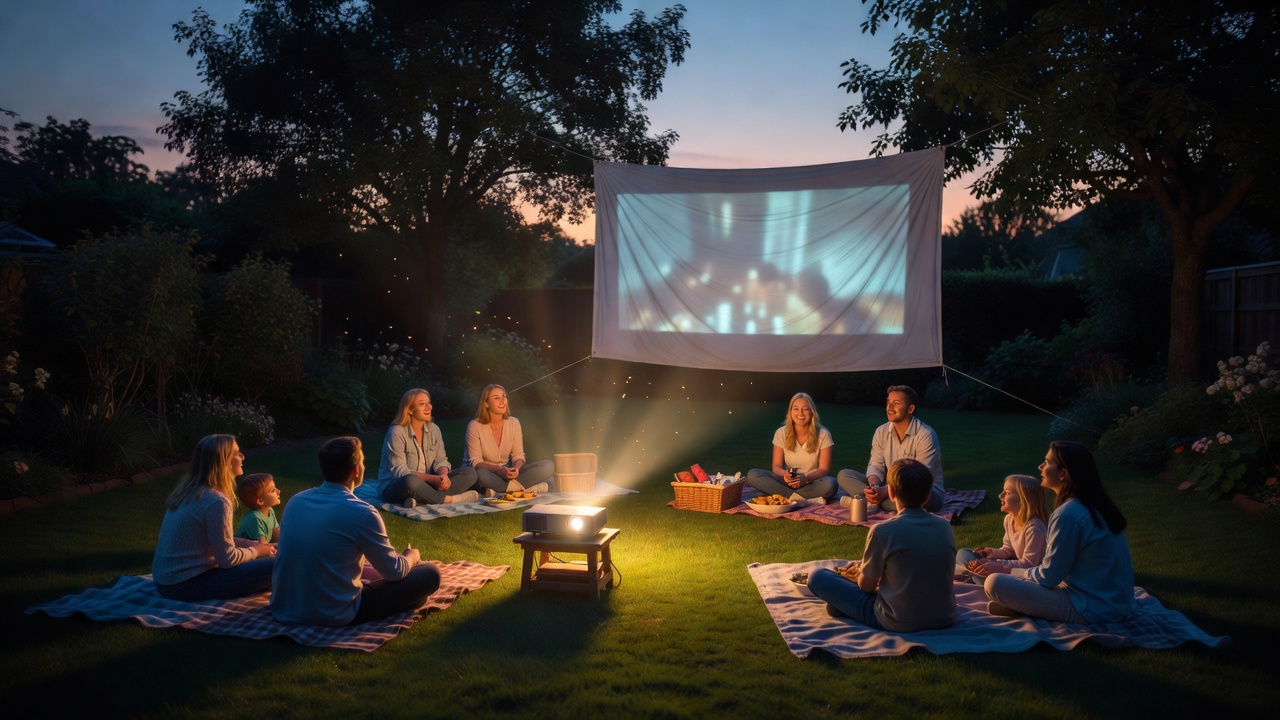
Here is where good intentions meet the law. Watching a film with friends and family in your own home is a private screening. Once a screening becomes public, meaning it is advertised, open to anyone or charges money, it usually needs a public performance licence. In the UK, bodies such as Filmbank Distributors and the Motion Picture Licensing Company offer licences for community groups, and organisations like Cinema For All (formerly the British Federation of Film Societies) help clubs with practical guidance. Rules differ by country, so a quick check before you print a poster is worthwhile.
Festivals that feel like clubs
Some festivals grew out of the same neighbourly spirit. Roger Ebert's festival in his hometown of Champaign, Illinois, now called Ebertfest, became known for guest conversations after screenings at the historic Virginia Theatre. In London, the Prince Charles Cinema keeps a club atmosphere alive with sing-alongs, marathons and fiercely loyal regulars. Visiting places like these is a lovely way to borrow ideas for your own group.
Keeping the circle open
Clubs fade when they become cliquey. The hosts we spoke to make a point of welcoming newcomers, explaining in-jokes and occasionally choosing something light after a heavy run. Subtitled films are offered without apology, and so are comfortable exits for anyone who needs to leave early. The Dublin engineer summed it up neatly: a good club is one where someone can bring a friend without warning, and the friend comes back next month.