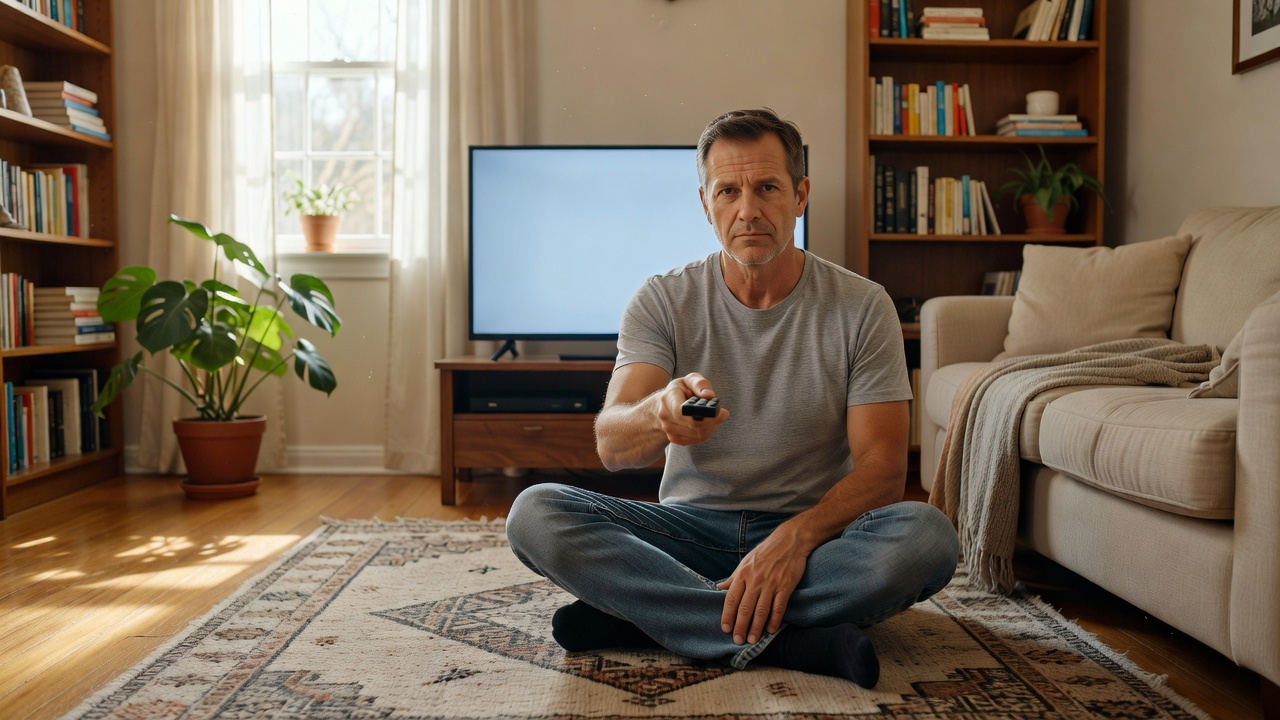
Every neighbourhood seems to have one: the friend who arrives at your movie night, glances at the television and quietly asks if they can "just switch off a couple of things." We spent afternoons with a few of these gentle perfectionists, including a former broadcast engineer in Sheffield, a sound-obsessed music teacher in Edinburgh and a hobbyist in Birmingham who calibrates neighbours' TVs in exchange for cake. Their advice was surprisingly humble.
Where the standards came from
Much of what we take for granted in home viewing grew out of professional standards. The Society of Motion Picture and Television Engineers, founded in 1916, has long published recommendations for how films should be shown. In 1983, engineer Tomlinson Holman developed the THX certification at Lucasfilm, launched alongside Return of the Jedi, to make sure cinemas reproduced a film the way its makers intended. Later, the Imaging Science Foundation trained technicians to calibrate home displays. And Dolby Atmos, introduced in cinemas in 2012 with Pixar's Brave, added sound from overhead.
For television and streaming, picture standards such as ITU-R BT.709 for high definition and BT.2020 for ultra high definition describe the colours a display should be able to show, with a white point called D65, roughly the colour of midday daylight. You don't need to memorise any of this. It simply explains why our tinkerers keep saying "make it look the way it was mastered."
The five-minute picture fix
The Birmingham hobbyist starts every visit the same way. First, choose the picture mode labelled Movie, Cinema or Filmmaker Mode, a setting backed by many TV makers and filmmakers that switches off most processing. Second, turn off motion smoothing, which creates the overly slick "soap opera" look. Third, set colour temperature to Warm, which tends to be closest to D65. Fourth, adjust brightness in the actual room at night, not in the shop. Most people, he says, are astonished by how cinematic their existing TV suddenly feels.
For projectors, the Sheffield engineer adds one rule: keep the image sharp and square, and resist the urge to crank brightness in a room that is already dark. Fatigue sets in quickly with a glaring picture.
Sound is mostly about the room
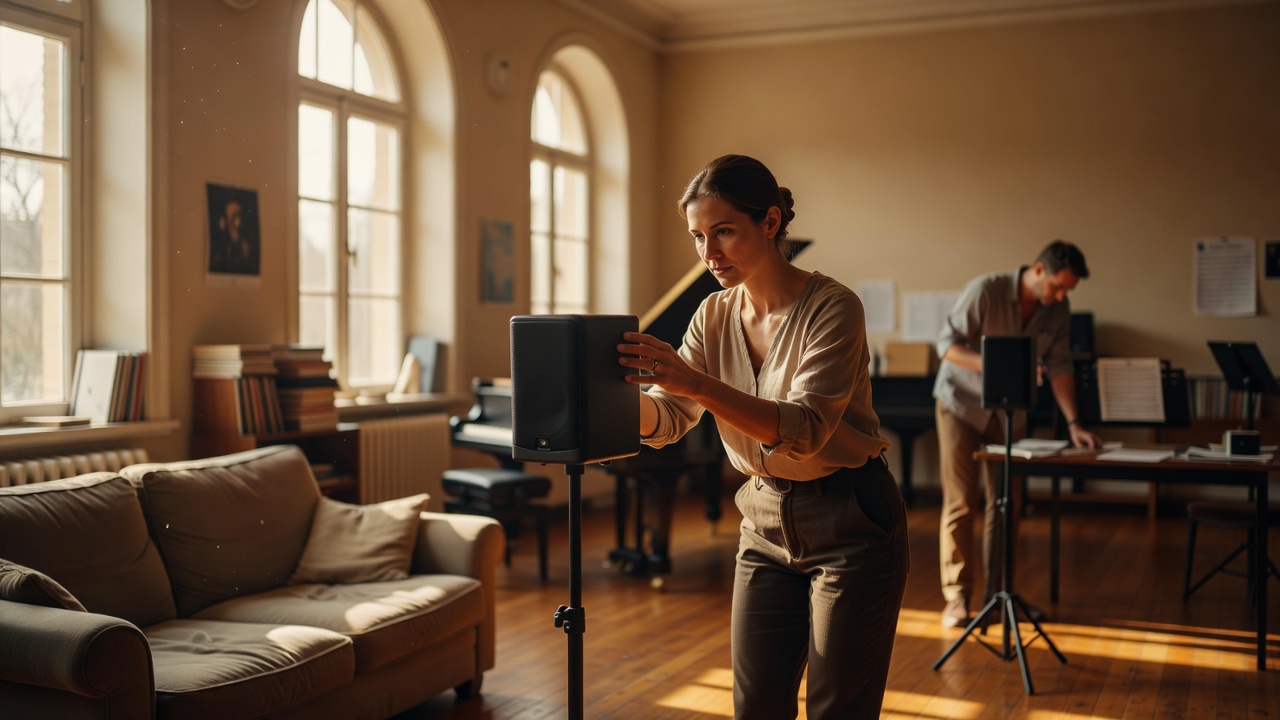
The music teacher was emphatic: dialogue clarity is what people notice most, and complaints that "I can't hear what they're saying" are usually about the room, not the film. Bare walls and hard floors reflect sound and smear speech. Rugs, curtains, bookshelves and cushions absorb and scatter it. Before buying anything, she suggests adding soft furnishings and clapping your hands to listen for a ringing echo.
Placement matters too. A soundbar or centre speaker should sit as close to the screen as possible and point at ears, not at the coffee table. Left and right speakers do well roughly at equal distances from the main seat, forming a loose triangle. Subwoofers are fussy; try a few positions and keep the one where bass sounds even rather than boomy. Many receivers and soundbars include automatic room correction with a microphone, and it is worth running.
Kindness to the neighbours, and to ears
Night modes, also called dynamic range compression, narrow the gap between whispers and explosions. Purists dislike them, but in a flat with thin walls or a house with sleeping children they are a blessing. Subtitles are another quiet ally, and many viewers now leave them on all the time. There is no wrong way to make a film comfortable.
Knowing when to stop
All three tinkerers admitted the hobby can swallow evenings whole. Their shared advice was to fix the basics, then watch something wonderful and forget about the settings. The best signal, the Sheffield engineer said, is a room full of people who stopped noticing the equipment twenty minutes ago.